Martini Sportswear

Winter hiking clothing

Base layer: the foundation for staying dry

The first layer is worn directly against the skin and plays a key role in winter hiking: it moves perspiration away from the body, preventing moisture from remaining on the skin. A functional base layer is particularly important when your activity level varies, as it helps prevent you from getting cold during breaks. Materials such as merino wool offer natural temperature regulation and remain comfortable even on longer tours. Synthetic fibres also dry particularly quickly, making them a great choice for active winter days.

Midlayer: insulation for effective temperature regulation

The middle layer retains body heat while helping to wick moisture away. The right midlayer depends on the temperature and intensity of your tour. On milder winter days, a lightweight fleece jacket may be sufficient. In freezing temperatures, insulated hybrid jackets or vests provide additional warmth without restricting freedom of movement.

Shell layer: weather protection and warmth

The outer layer protects you from the elements. Breathable fabrics are particularly important for winter hiking: your clothing needs to protect you from cold conditions while still allowing excess body heat and moisture to escape.

In snow, wind or changeable weather, a functional hardshell jacket provides reliable weather protection while allowing excess moisture to escape. In dry and settled winter conditions, on the other hand, a fully insulated jacket provides additional warmth and is an ideal addition to your winter hiking outfit on colder days. The key is to choose an outer layer that matches the conditions and intensity of your tour.

Outdoor jackets

Winter hiking pants: freedom of movement and protection in the snow

When it comes to pants, the right combination of comfort and weather protection is essential. Good winter hiking pants provide sufficient freedom of movement for long tours while also protecting you from the cold and snow. A close-fitting leg opening is particularly important to help prevent snow from getting into your footwear. Stretch fabrics support natural movement and ensure a comfortable fit even on more demanding sections of the trail.

In particularly cold temperatures, insulated skirts or shorts provide additional warmth, making them ideal for breaks or longer periods spent outdoors.

Accessories for the perfect winter hiking outfit

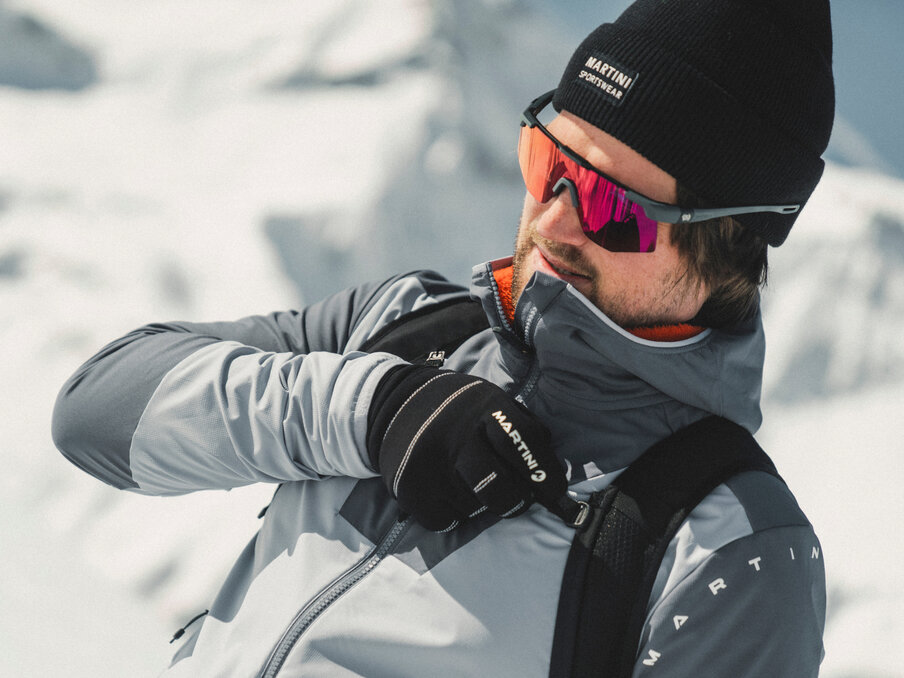
Small details can make a big difference on winter tours. Headbands and beanies protect your head and ears from the cold. Technical gloves keep your hands warm while providing a secure grip on poles or equipment. Choosing socks made from functional materials is also worthwhile: they help maintain a comfortable environment for your feet and retain warmth for longer.

Functional accessories for winter hiking: